Waterproofing
Rooftop & terrace waterproofing
A one-component, moisture-cured polyurethane membrane that forms a seamless, jointless layer — highly elastic, tolerant of thermal movement, and durable on exposed surfaces.
Public technical guidance
This page is selection and sequencing guidance, not a project method statement. The current product TDS, approved design, site assessment and trial application take precedence; structural anchors, cracks, water-retaining structures and other safety-critical work require qualified technical review.
Applicable for
- Gutters, balconies, rooftops, roof gardens
- Factory roofs, warehouses, pools, water and wastewater tanks
- Bathroom and toilet floor-walls
- Concrete, masonry and non-exposed stone structures
Bestmix material system
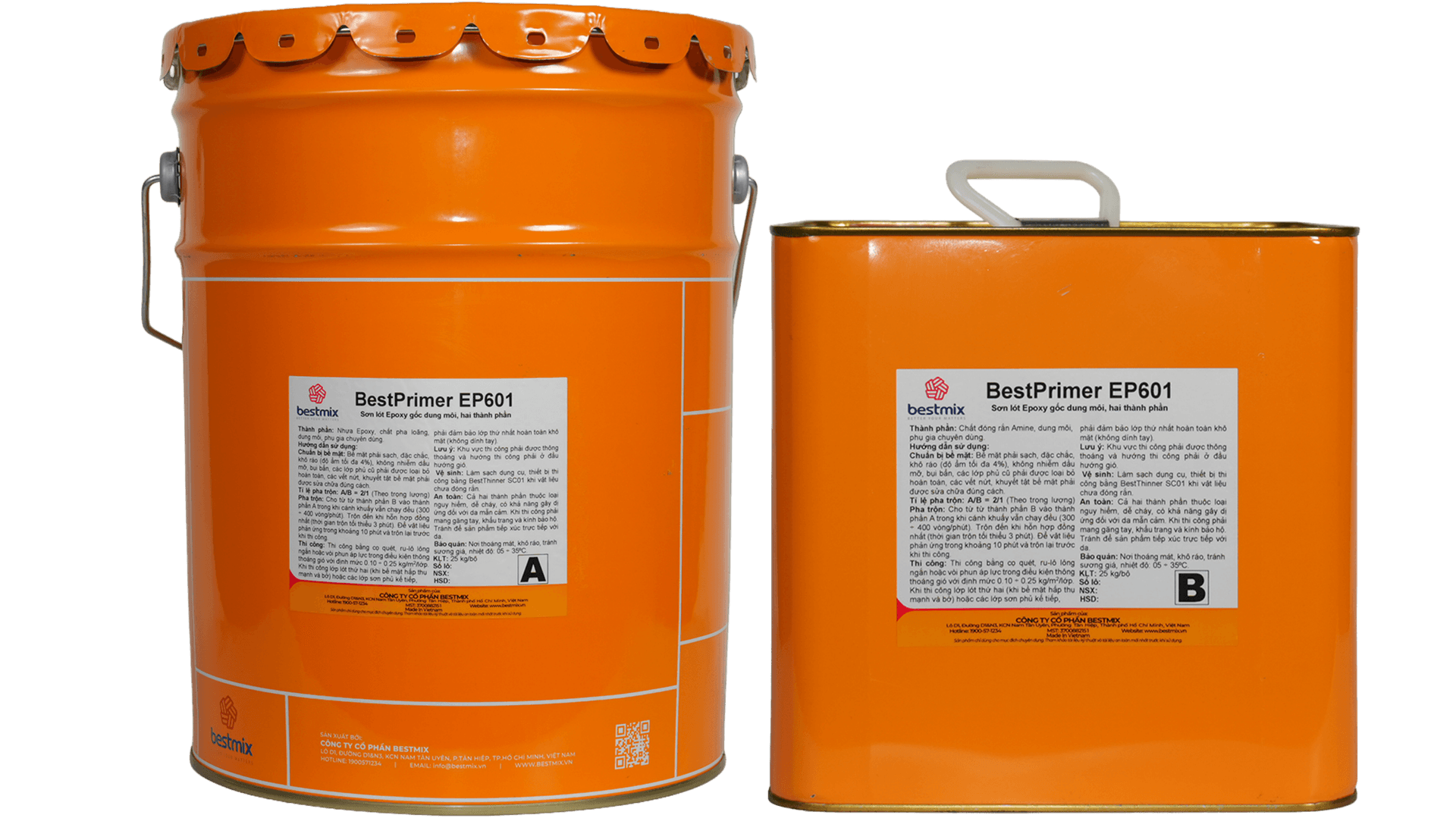
BestPrimer EP601
Solvent-based two-component epoxy primer that promotes adhesion to concrete
Consumption: 0.15 – 0.20 kg/m²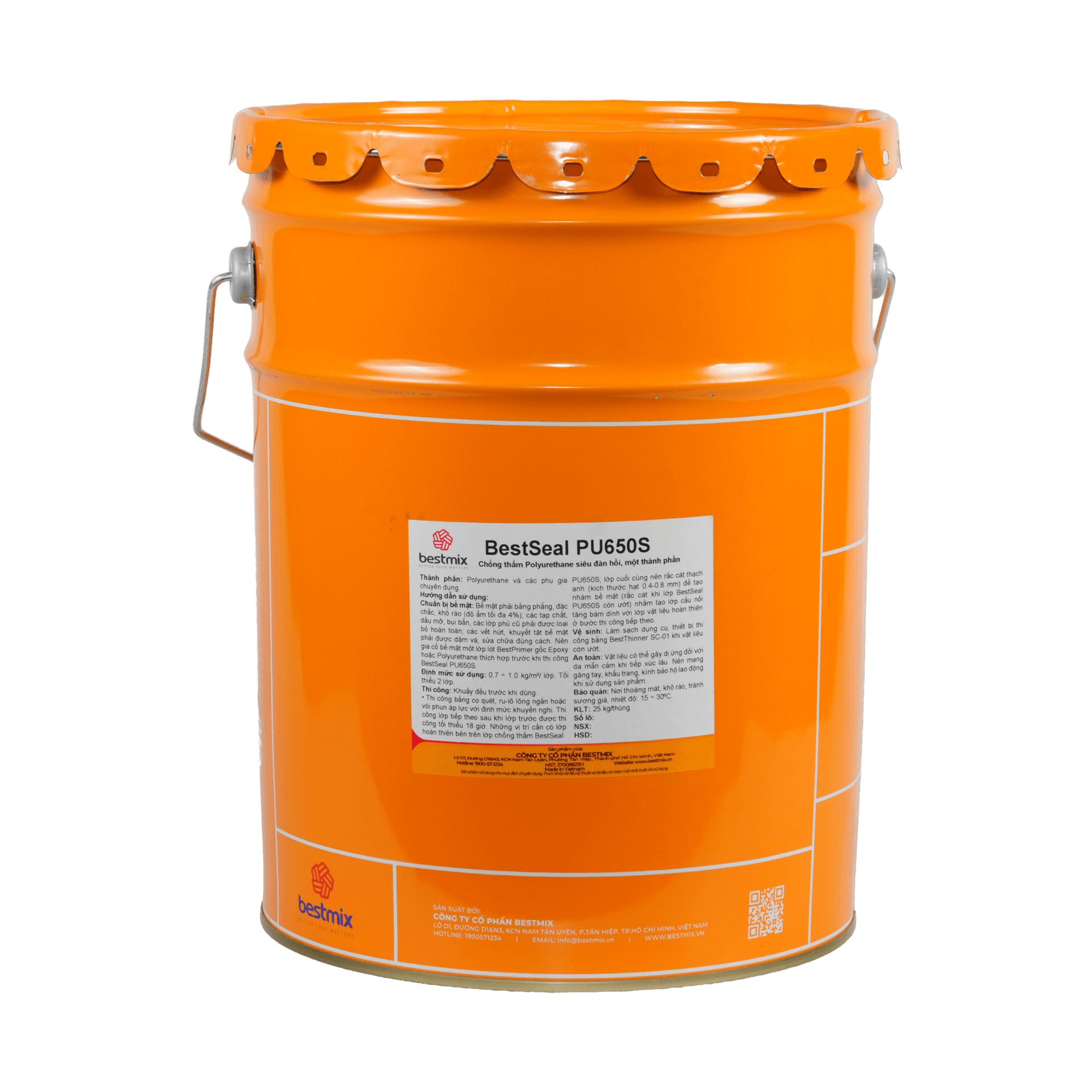
BestSeal PU650S
One-component, highly elastic polyurethane waterproofing membrane (at least 2 coats)
Consumption: 0.7 – 1.0 kg/m² per coat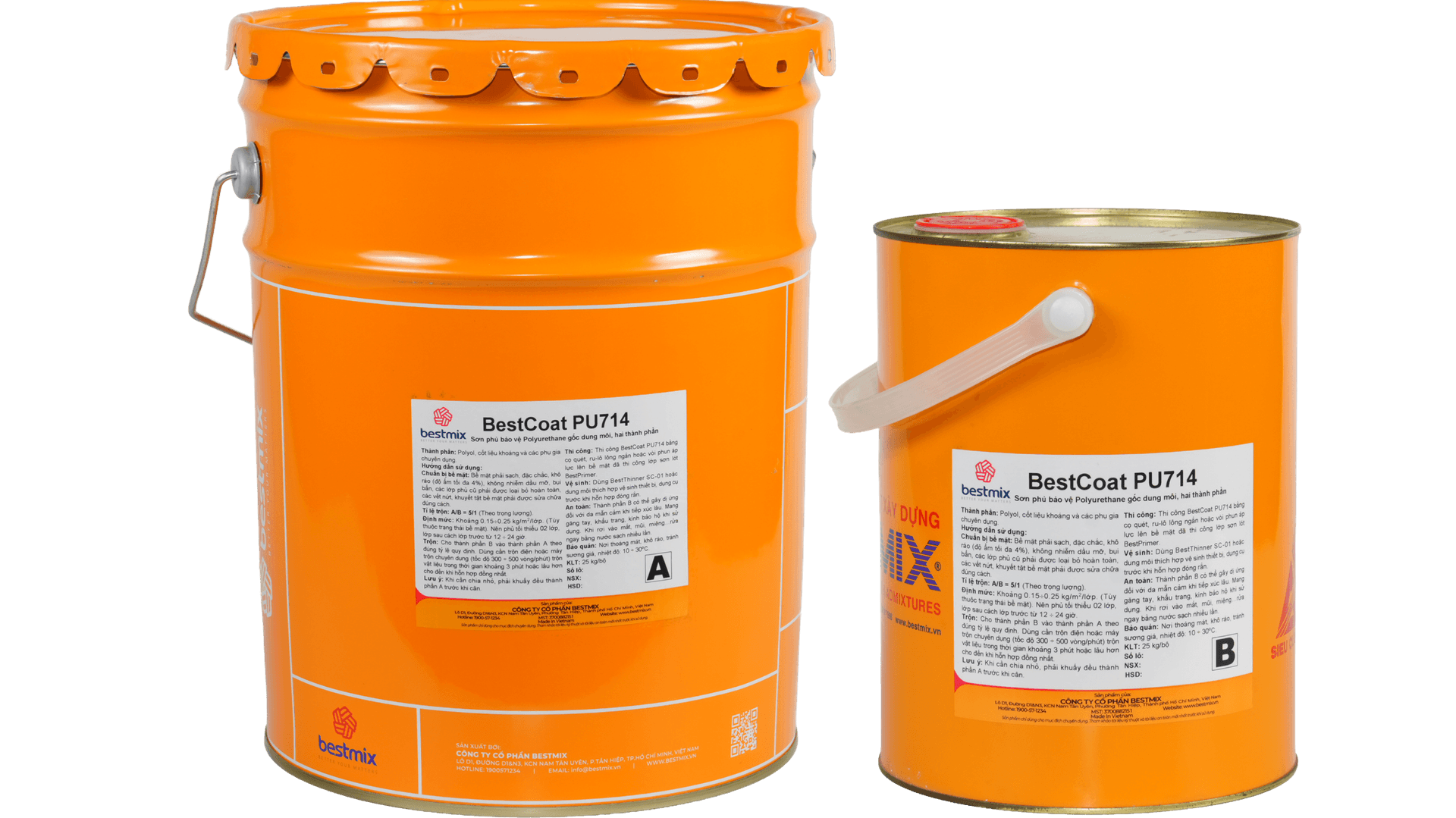
BestCoat PU714
UV-resistant polyurethane topcoat for regularly exposed surfaces (2 coats)
Consumption: 2 × 0.15 – 0.25 kg/m²Substrate requirements
- Sound, dense concrete cured at least 28 days, tensile strength ≥ 1.5 MPa
- Substrate moisture ≤ 4%
- Cracks, damage and surface defects treated to requirement
- Remove loose mortar/concrete; clean off oil, grease and organic contaminants (with BestThinner SC-01)
Step-by-step procedure
- 1
Abrade the surface
Lightly grind the whole concrete floor to create a rough profile, then clean off all dust.
- 2
Treat concrete cracks
Cut cracks (> 5 mm wide, > 10 mm deep), vacuum the dust, apply primer and fill the grooves with elastic BestSeal PU650S.
- 3
Apply BestPrimer EP601
Roll the primer over the whole surface at 0.15 – 0.20 kg/m². Wait at least 8 hours, inspect and re-coat any defective spots.
- 4
First waterproofing coat – BestSeal PU650S
Once the primer is ready to overcoat under the current TDS, spread BestSeal PU650S evenly over the whole surface at 0.7 – 1.0 kg/m².
- 5
Second waterproofing coat – BestSeal PU650S
Apply the second coat perpendicular to the first within the product recoat window at 0.7 – 1.0 kg/m²; control the membrane thickness against the approved design.
- 6
UV-resistant topcoat – BestCoat PU714
On surfaces regularly exposed to UV, wait at least 72 hours after the final PU650S coat, then apply 2 BestCoat PU714 coats at 0.15 – 0.25 kg/m² each. Open the system to service only after it has cured under the current TDS and site conditions.
An exposed system is approximately 1.85 – 2.70 kg/m²: primer 0.15 – 0.20, at least 2 PU650S coats totalling 1.4 – 2.0, and 2 PU714 coats totalling 0.30 – 0.50 kg/m². Actual use follows the design, required thickness and substrate condition.
Common questions
Which system should I use for rooftop waterproofing?
A one-component BestSeal PU650S polyurethane membrane can be used on exposed surfaces subject to thermal movement. Areas regularly exposed to UV require 2 BestCoat PU714 finish coats under the current TDS.
How much material does rooftop waterproofing need?
An exposed system is approximately 1.85 – 2.70 kg/m². The design thickness, flatness and porosity of the substrate determine actual consumption.
Can a tiled rooftop be waterproofed?
The surface must be prepared (remove tiles, or grind and treat the joints) so the membrane bonds correctly. Please contact Bestmix technical support for advice on your specific condition.
How long before the structure can be used?
Follow the recoat windows and curing times in the current TDS for every layer; actual timing varies with temperature, humidity and site conditions.
Need advice for your project?
Bestmix engineers help you choose the right system and consumption — free of charge.