Waterproofing
PVC waterstop – construction & expansion joints
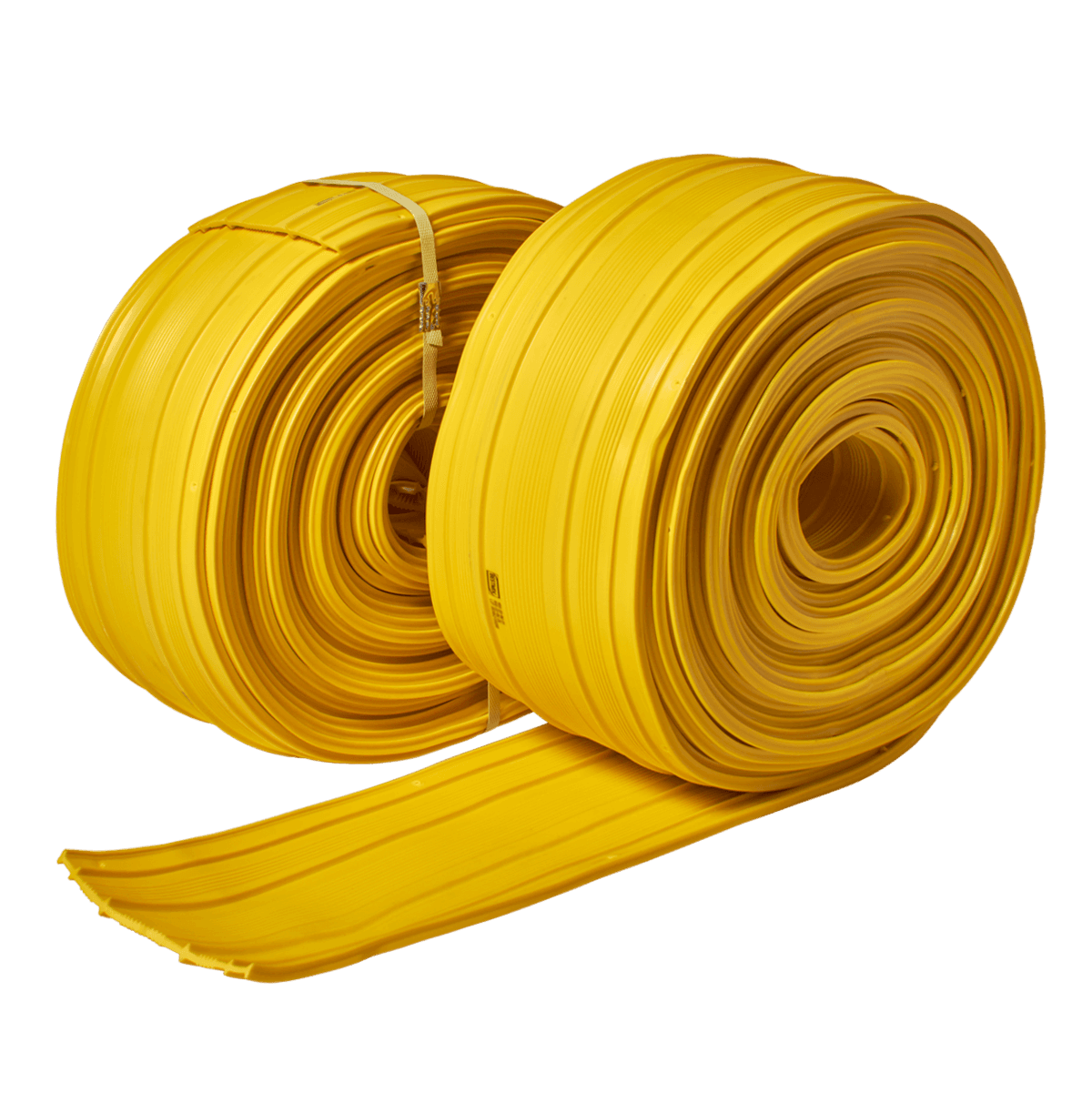
BKN-90 is an elastic, heat- and ageing-resistant PVC waterstop cast into construction/expansion joints to block water seepage through concrete structures.
Public technical guidance
This page is selection and sequencing guidance, not a project method statement. The current product TDS, approved design, site assessment and trial application take precedence; structural anchors, cracks, water-retaining structures and other safety-critical work require qualified technical review.
Applicable for
- Basement walls, retaining walls
- Wastewater tanks, underground water tanks, fire-fighting tanks
- Swimming pools
- Basement slab expansion joints
- Elevator pits
Bestmix material system
Substrate requirements
- Resolve level changes, joints and bends before concreting
- Sealed, firmly fixed formwork so the strip does not shift
- Weld in a well-ventilated area (avoid inhaling PVC fumes)
Step-by-step procedure
- 1
Position the strip in the formwork
V-type: clamped between formwork halves with one half protruding. O-type: use split formwork; the O-section is not embedded when used for expansion joints.
- 2
Tie to the rebar
Wire-tie the strip holes to the rebar cage — 3 fixing points per metre so it will not shift during concreting.
- 3
Heat-weld the strip ends
Cut both edges square and trim the ribs flat; heat the blade to ~200°C, press each edge until ~2mm melts (~60s), then press together and let cool ~3 minutes.
- 4
First-stage concreting
Concrete up to half the strip width, evenly on both sides, well-compacted to avoid honeycombing; suitable slump and aggregate size.
- 5
Second-stage concreting
As stage 1; check for honeycombing at the joint, remove any concrete residue from the first pour still stuck to the strip, and strip formwork around the waterstop carefully.
Measured per linear metre of joint to be sealed. Fix at 3 points per metre; heat-weld at all splices.
Common questions
Where is a waterstop used?
At construction, expansion, settlement and cold joints of concrete structures with frequent water contact: basements, tanks, pools, elevator pits.
What is the difference between V and O types?
V-type is for construction joints (placed between pours). O-type has a hollow centre for movement, used at expansion joints — the O-section must not be embedded in concrete.
Does the concrete at the waterstop need extra compaction?
Yes. Concrete on both sides must be well-compacted and even to avoid honeycombing and to prevent the strip edges from folding.
Need advice for your project?
Bestmix engineers help you choose the right system and consumption — free of charge.