Concrete repair
Structural concrete crack repair by epoxy injection
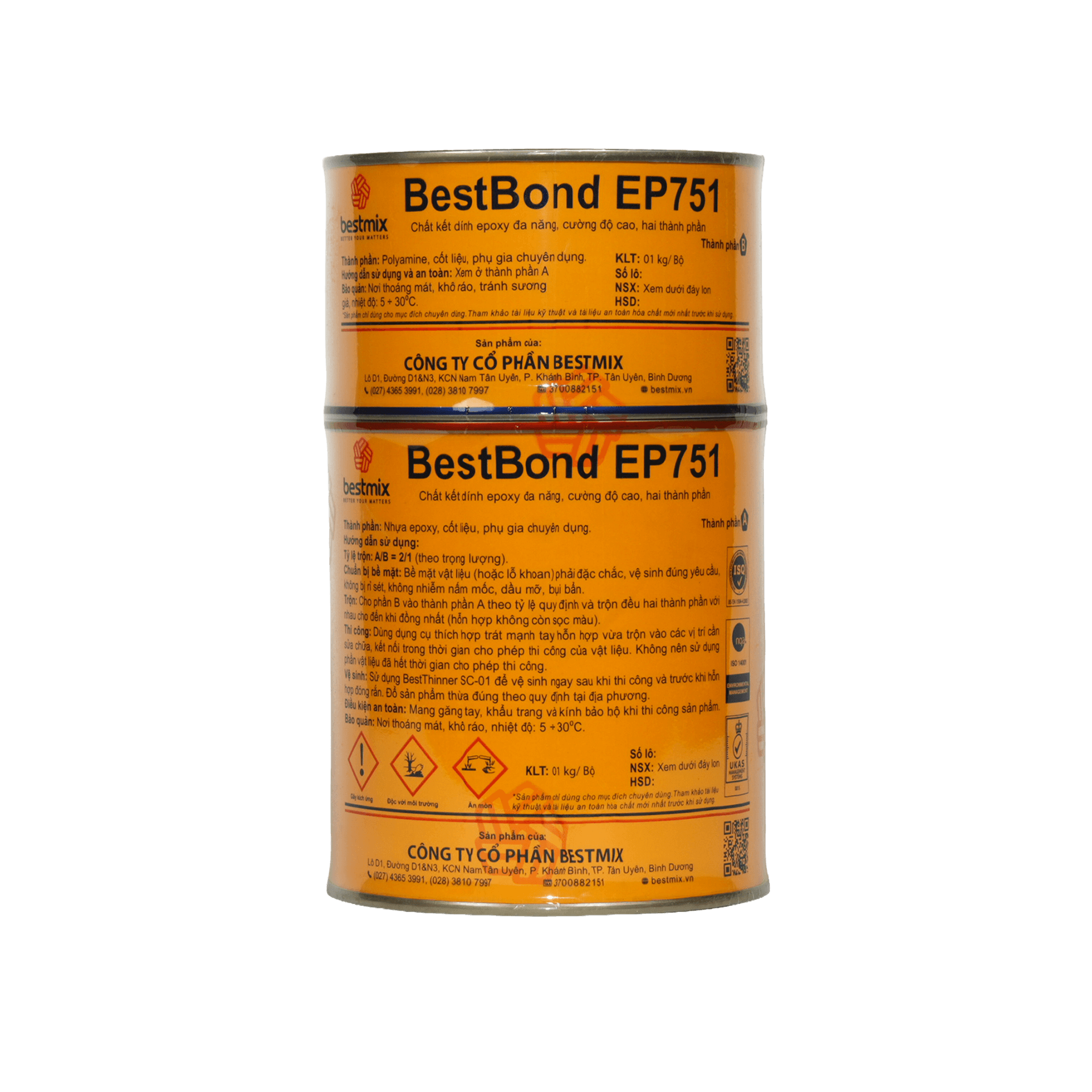
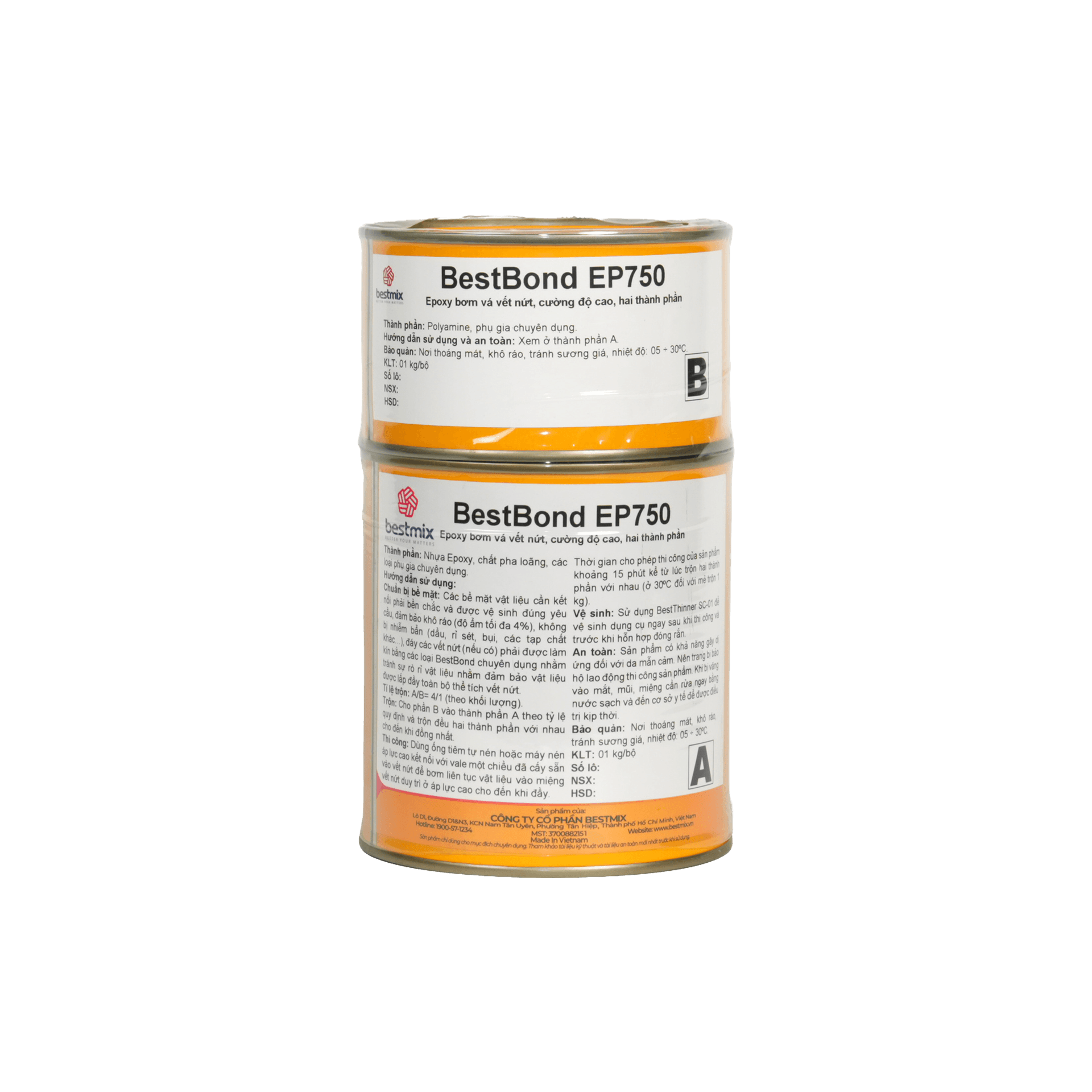
BestBond EP750 is a low-viscosity epoxy for dry-crack injection, while BestBond EP751 fixes ports and seals the surface. Treat it as a structural repair only after an engineer identifies the crack cause and approves the method.
Public technical guidance
This page is selection and sequencing guidance, not a project method statement. The current product TDS, approved design, site assessment and trial application take precedence; structural anchors, cracks, water-retaining structures and other safety-critical work require qualified technical review.
Applicable for
- Dry, stable cracks in concrete slabs and floors
- Beam and tie-beam cracks after structural assessment
- Accessible concrete walls where injection ports can be installed
- Work with an approved injection method and acceptance criteria
Substrate requirements
- Determine the crack cause, stability, orientation and access before selecting epoxy injection
- Crack path and surface clean, dry and free of contaminants or weakly bonded material
- Confirm temperature, humidity and dew-point conditions under the current EP750/EP751 TDS
- Design port locations, pressure and injection sequence for member thickness and crack geometry
Step-by-step procedure
- 1
Survey and diagnose
Record location, direction, width, moisture and movement; identify and address the cause first. Do not default to this dry-epoxy system for moving or water-bearing cracks.
- 2
Design the injection method
Set access, port locations, spacing, depth, pressure and sequence for the crack geometry, member thickness and design requirement.
- 3
Prepare the surface and install ports
Remove weak material, clean the crack and port holes, and fix ports securely without damaging reinforcement or the member.
- 4
Seal the crack with BestBond EP751
Mix EP751 parts A and B per the datasheet and seal the entire crack mouth to hold pressure during injection.
- 5
Inject BestBond EP750
When EP751 is hard enough to hold pressure, mix EP750 under its TDS and inject sequentially at the lowest pressure that achieves filling, monitoring resin travel and avoiding crack propagation.
- 6
Remove ports and finish
Once the material reaches the permitted state, remove the ports, patch installation points with EP751 and finish the surface flush.
- 7
Accept and open to load
Verify filling against the approved repair criteria. BestBond EP750 fully cures in about 7 days; opening to load follows the TDS, actual temperature and engineer approval.
Consumption depends on actual void volume and injection-system losses. Port spacing, depth and pressure are not fixed values and must be defined in the repair method.
Common questions
When can a crack be epoxy-injected?
Only after confirming that it is dry and stable and that the cause is addressed or controlled. Width is only one factor; moving, water-bearing or safety-critical cracks require an engineer-designed solution.
Why use both EP751 and EP750?
EP751 (thick, high-strength) seals the crack mouth and fixes the ports to hold pressure; EP750 (low-viscosity, high-penetration) is pressure-injected to penetrate deep, fill and reconnect the structure.
How soon can it be used after injection?
BestBond EP750 fully cures in about 7 days under its TDS. Do not apply a blanket 24-hour loading rule; opening depends on temperature, the TDS and repair acceptance.
Need advice for your project?
Bestmix engineers help you choose the right system and consumption — free of charge.